American Embroidery Design USA Review
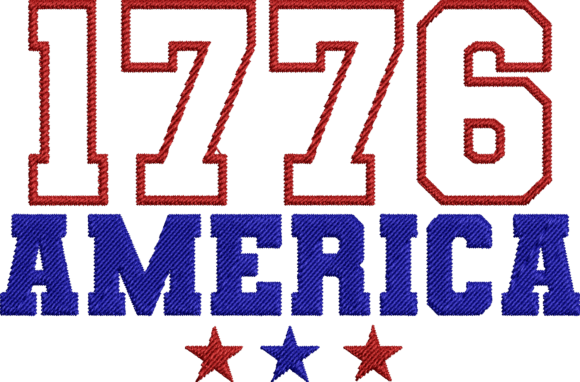
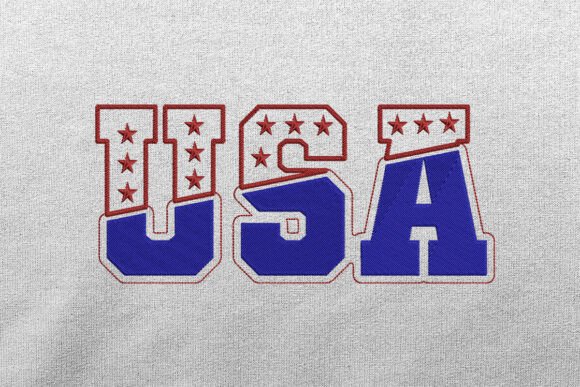
As a designer who has spent years testing digital assets for real-world production, I approach every new file with a mix of excitement and skepticism. You want to see the potential, but you also need to know if it will hold up under the hoop, on the fabric, and in the hands of a customer. Today, I am putting American Embroidery Design USA through its paces. This isn't just another patriotic graphic; it is a machine embroidery design intended to serve as a perfect accent for various projects and occasions. But does it deliver that promise when stitched onto actual materials?
The first impression of American Embroidery Design USA is one of versatility. The layout feels balanced, avoiding the cluttered look that often plagues holiday-themed files. It strikes a mood that is both celebratory and refined enough to sit comfortably on a boutique product or a personal gift. When I opened the file in my digitizing software, the shapes were clean, suggesting that the underlying stitch structure was thought out before the final output was generated. It doesn't scream for attention so loudly that it overpowers the garment; instead, it acts as a sophisticated focal point.
From Digital File to Finished Product: A Real-World Test
To truly evaluate this piece, I decided to simulate a common scenario faced by many Etsy sellers and small business owners. Imagine you are preparing a custom embroidered tote bag for an Independence Day market stall. You need something that looks professional, holds up to the weight of groceries, and appeals to a broad audience without looking like a generic discount item.
I loaded American Embroidery Design USA into the hooping process on a heavy-duty canvas tote. The placement was intuitive, allowing for a centered composition that draws the eye immediately. Once the stitching began, the design performed admirably. The transition between the satin stitches outlining the main elements and the fill stitches filling the interior spaces felt smooth. There was no puckering of the canvas, which is a critical failure point for many designs on textured fabrics. The result was a finished product that looked crisp and intentional, exactly the kind of quality that builds customer trust in a handmade shop.
This same logic applies if you are moving from a tote to a sweatshirt or a baby onesie. The design scales well enough to work as a chest logo on a hoodie, yet retains its detail when shrunk down for a baby's outfit. For craft fair products, where buyers judge quality instantly, this level of clarity is essential. It elevates the perceived value of the item, turning a simple piece of clothing into a keepsake. Whether you are creating personalized gifts or commercial embroidery items for a boutique brand, American Embroidery Design USA provides the visual consistency needed to maintain a professional image.
Where This Design Shines Best
Based on my experience with similar files, there are specific use cases where this design excels. It is particularly effective for:
- Holiday Embroidery Projects: Perfect for Independence Day celebrations, summer parties, or national holidays where a subtle nod to patriotism is desired without being overwhelming.
- Custom Apparel: Works beautifully on t-shirts, sweatshirts, and denim jackets where durability and style are paramount.
- Home Decor: I can easily envision this on kitchen towels, pillow covers, or aprons, adding a touch of Americana to a functional space.
- Baby Items: The clean lines make it safe and appropriate for baby clothes, ensuring no sharp edges or overly dense areas irritate sensitive skin.
- Digital Mockups: If you are a digital product seller, this design translates well into printable mockups, helping you visualize how the final product will look before a single stitch is made.
The design's ability to function across such a wide range of mediums—from a small embroidered patch to a large wall hanging—makes it a valuable asset for any creative entrepreneur looking to diversify their inventory.
Navigating Potential Pitfalls and Technical Considerations
While the design is strong, a responsible reviewer must address where caution is required. Not every surface is created equal, and even the best embroidery file can struggle if the substrate is unsuitable. One area to watch closely is the use of stretchy fabrics. While the design likely handles moderate tension well, applying it to thin, highly elastic materials without proper stabilizer could lead to distortion.
If you are planning to use this on dark fabric, pay close attention to your thread colors. The contrast is key to making the design pop. On black or navy backgrounds, lighter threads may require additional underlay or a different color strategy to ensure the details aren't lost in the shadows. Similarly, while the design is versatile, it may not be ideal for extremely small hoop sizes. If you attempt to shrink it too much for a tiny cap brim, you might lose the definition in the finer corners.
Another consideration is density. In areas where the fill stitch meets the satin border, check the stitch count during your test run. High stitch density on a delicate fabric like silk or a thin jersey can cause the material to bunch up. Always inspect small details and test it on scrap fabric first. This step is non-negotiable for anyone serious about producing high-quality handmade products. Additionally, if you intend to wash the finished item frequently, ensure the design has been stabilized correctly to prevent fraying or loosening over time.
Practical Notes for the Professional Designer
Before you commit to a full production run, here is a checklist based on my workflow:
- Stabilizer Selection: Ensure you are using the right type of stabilizer (cut-away vs. tear-away) for the specific fabric texture you are working with.
- Thread Color Contrast: Review thread colors against your background. A design that looks great on white might get lost on charcoal gray.
- Hooping and Tension: Confirm the hoop size matches your intended project. Tight hoops are necessary for stability, but avoid distorting the fabric.
- Commercial Licensing: Check whether the license allows for commercial use. If you are selling finished items or digital previews, you must confirm the terms before listing them on platforms like Etsy.
- Mockup Testing: Use black and white mockups to check the balance of light and dark areas before committing to expensive thread runs.
The goal is to create a finished product that reflects well on your brand. A poorly executed design can undermine the effort put into the rest of the project, while a well-executed one, like American Embroidery Design USA, can become a signature element of your collection.
Final Verdict on Visual Appeal and Value
In the world of craft business and small shop products, visual appeal drives engagement. Customers buy the story behind the item, and the embroidery is the punctuation mark on that sentence. American Embroidery Design USA delivers a sense of pride and craftsmanship that resonates with buyers. It feels authentic rather than mass-produced, which is crucial for handmade enthusiasts and gift-givers alike.
When used correctly, this design enhances the professionalism of your work. It signals to the buyer that you care about the details, from the choice of thread to the precision of the stitch. Whether you are decorating a nursery, branding a boutique line, or creating a unique gift for a friend, this design offers the flexibility to meet diverse needs without sacrificing quality.
Ultimately, the success of any machine embroidery design depends on the skill of the operator and the preparation of the materials. American Embroidery Design USA provides a solid foundation for these efforts. It is a tool that, when wielded with care, can produce stunning results that stand the test of time and washing. For designers and makers looking to expand their repertoire with a reliable, versatile option, this file earns a spot in the rotation.