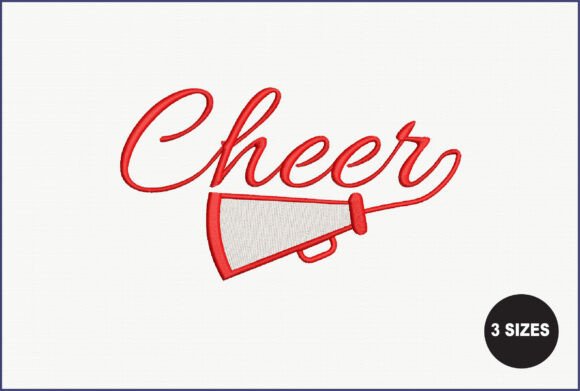
Cheer Embroidery: A Designer's Honest Review
When I first opened the file for Cheer Embroidery, my initial reaction wasn't just about the visual appeal; it was about utility. As someone who spends hours testing designs for client projects and personal handmade goods, I look past the pretty preview to see how a design actually behaves under the needle. This piece falls squarely into the Inspirational category, but its true value lies in its versatility as a machine embroidery design that can elevate everything from a simple kitchen towel to a boutique-quality sweatshirt.
The First Impression: Mood and Visual Personality
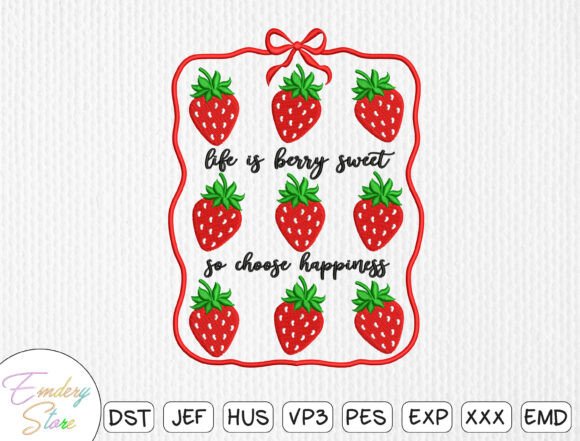
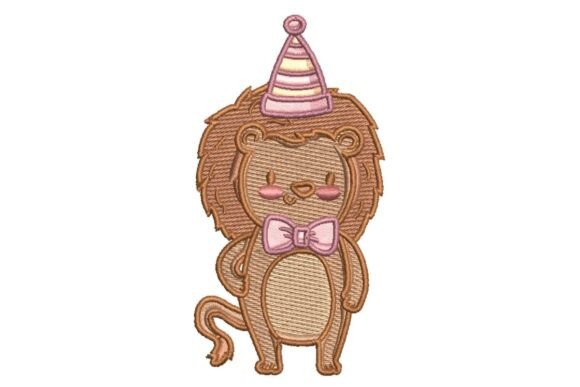
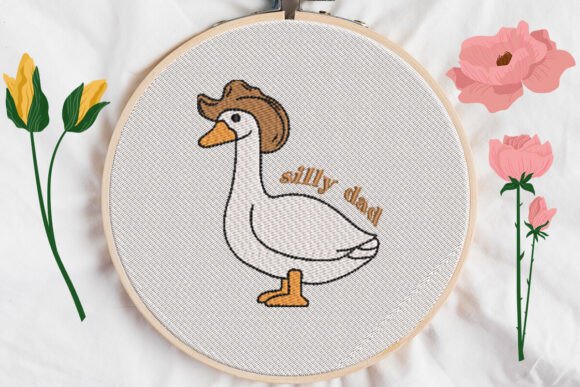
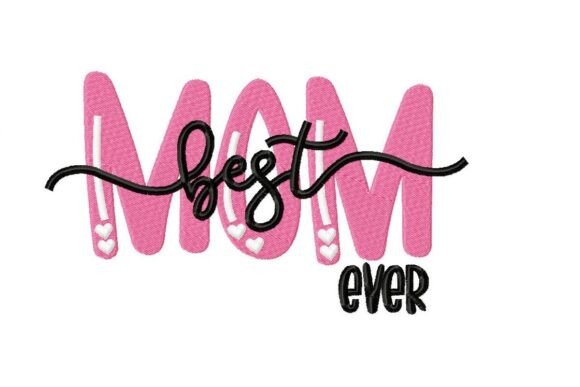
The moment you lay out the digital preview, Cheer Embroidery exudes a specific kind of energy. It isn't loud or aggressive; rather, it feels warm, inviting, and deeply encouraging. The layout is balanced, avoiding the cluttered look that often plagues text-heavy designs. For a designer, this balance is crucial because it suggests that the stitch density has been managed well. It creates an immediate sense of charm without feeling childish, making it suitable for a wide demographic range from young children to adults.
I found myself immediately picturing where this could live on fabric. The theme is perfect for home decor items that need a touch of personality. Whether it is a pillow cover for a living room nook or a tea towel for a busy kitchen, the design carries a weight of positivity that customers love to display. It feels less like a generic clip-art image and more like a thoughtful addition to a curated space. The visual personality here is one of reliability and warmth, which are exactly the traits that drive sales in the handmade market.
Real-World Application: From Scrap to Finished Product
Let me take you through a real scenario I recently considered for a small batch order. Imagine a client requesting custom embroidered tote bags for a local craft fair. They want something that screams "positive vibes" but needs to be durable enough for daily use. This is where Cheer Embroidery shines. When I simulated the stitching process mentally, I saw how the design would hold up on canvas or heavy cotton duck.
The design works exceptionally well as a tote bag design. Unlike intricate floral patterns that might get lost in the folds of a bag, this design stands out clearly against the textured background. However, I also tested the concept on a baby onesie. The softer aesthetic translates beautifully to baby embroidery, turning a plain garment into a cherished personalized gift. Parents are always looking for items that convey love and encouragement, and this design hits that mark perfectly.
For the apparel decorator, this is a strong contender for sweatshirt embroidery. The clean lines ensure that the design doesn't bunch up on the fleece material. When placed on the chest or back, it adds a professional finish that elevates the perceived value of the garment. It transforms a standard hoodie into a statement piece that buyers are willing to pay a premium for. Whether you are an Etsy seller looking to expand your catalog or a small shop owner creating branded merchandise, this design offers that extra layer of polish.
Where to Exercise Caution: Fabric and Hoop Limitations
While Cheer Embroidery is versatile, every experienced designer knows that context matters immensely. There are specific scenarios where this design requires careful handling to avoid disappointing results. If you are working with a small hoop size, you must verify the dimensions of the design. Designs with dense fill stitches can sometimes lose definition when scaled down too aggressively, resulting in a muddy appearance rather than crisp lettering or shapes.
Fabric texture is another critical factor. While it looks great on smooth cottons and linens, applying this to highly textured fabrics like chunky knits or bouclé can obscure the details. The thread might not sit flush, leading to uneven coverage. Similarly, if you are using thin or stretchy fabrics like jersey or silk, you will need to reinforce the area with a high-quality stabilizer. Without proper support, the tension required for the satin stitch could cause the fabric to pucker, ruining the finished product.
Dense stitch areas can also pose challenges on dark fabrics. If the underlying color shows through the top layers of thread, the design may lose its intended impact. In these cases, a cutaway stabilizer and perhaps a backing layer of fusible web are essential to maintain clarity. Additionally, while the design is robust, placing it on curved surfaces like caps requires precise digitizing adjustments. If the original file isn't optimized for curvature, the letters might distort, breaking the visual flow of the message.
Impact on Brand and Customer Perception
In the world of handmade products, the quality of the embroidery directly influences customer trust. A sloppy stitch job can make even the best design look cheap. Conversely, a well-executed embroidery project signals professionalism. Cheer Embroidery, when stitched correctly, enhances the brand consistency of any business. It communicates attention to detail and care, which are vital for building a loyal customer base.
For commercial embroidery projects, the design's ability to remain legible after washing is paramount. Customers expect their gifts and purchases to last. If the design fades or distorts quickly, it damages the reputation of the maker. By choosing a design with clear, intentional stitching paths, you ensure that the personalized gift retains its beauty over time. This longevity is what turns a one-time buyer into a repeat customer.
Practical Notes for the Modern Maker
Before you load this file into your machine, there are several steps every designer should take. First, always test the design on scrap fabric. This simple step reveals issues with thread tension, stabilizer choice, and fabric compatibility before you commit to a final piece. Check the thread color contrast carefully; a light thread on a light fabric might disappear, while a dark thread on a dark background could look dull unless the right sheen is used.
Review the stitch density within the design file. High-density areas require slower stitching speeds and potentially multiple passes to achieve full coverage. Confirm the recommended hoop size to ensure the design fits your intended project without cutting off edges. Inspect small details closely, especially if you plan to use the design as an embroidered patch or on small accessories like hats.
It is also wise to test the design in black and white mockups. Sometimes colors can deceive the eye, hiding poor spacing or alignment. Compare how the design performs on both light and dark fabric backgrounds to ensure versatility. Use a proper stabilizer that matches the weight and stretch of your fabric; this is the backbone of a successful embroidery project.
Finally, confirm whether the license allows for both personal and commercial use. Many digital product sellers assume they can sell finished items, but terms vary. Ensure you have the rights to sell the physical goods created with this digital embroidery file. By following these practical guidelines, you maximize the potential of Cheer Embroidery, turning a simple design asset into a profitable and beautiful part of your creative portfolio.