Silly Cat Embroidery: A Designer's Review for Small Business Merch
As a professional embroidery designer who has spent years refining digital assets for commercial use, I know that selecting the right design is about more than just aesthetics. It is about functionality, brand consistency, and ensuring your product stands out in a crowded marketplace. When evaluating Silly Cat Embroidery, I look at it through the lens of a small business owner or an apparel decorator looking to add value to their inventory. This review breaks down how this quirky feline design performs when translated from a digital file into a tangible branded asset.
First Impressions: Playful Yet Professional
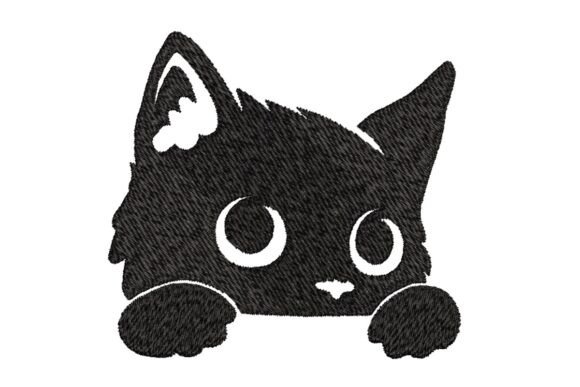
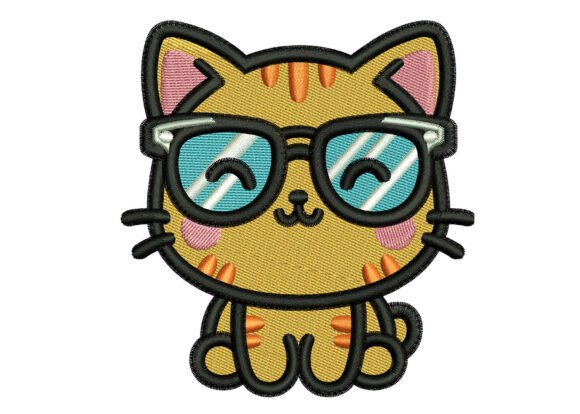
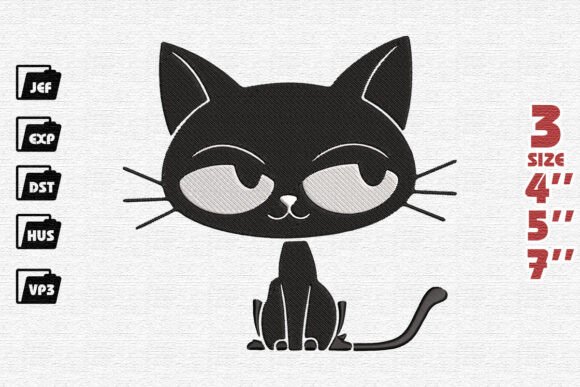
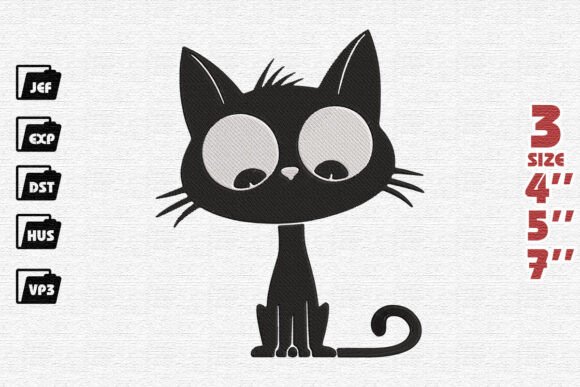
The moment you view Silly Cat Embroidery, the description of a "quirky and charming" digital cat with a "playful big-eyed feline" sets a specific tone. In the world of branding, this design leans heavily into the friendly and approachable side of visual identity. It does not scream corporate rigidity; instead, it whispers a sense of handmade warmth and creativity. For businesses like bakeries, pet brands, or creative studios, this personality is gold.
The design feels modern yet retains a classic charm that works well for various demographics. The emphasis on big eyes suggests a character-driven approach, which can be incredibly effective for building emotional connections with customers. However, as a designer reviewing this for commercial application, I also see potential challenges. The playful nature means it must be executed with high precision to avoid looking cheap. If the stitch density is too low, the charm disappears, leaving a messy outline. If it is too high, the fabric might pucker, ruining the professional finish required for branded merchandise.
Real-World Application for Small Business Merch
Imagine a local café or boutique wanting to expand their revenue streams with custom apparel. Silly Cat Embroidery offers significant versatility here. It is not limited to just one item but can serve as a versatile design asset across multiple touchpoints.
- Embroidered Patches: One of the most popular uses for this design is creating iron-on or sew-on patches. These can be applied to denim jackets, tote bags, or even product packaging accents. The design's distinct shape makes it ideal for a circular or oval patch border, turning a simple logo into a collectible item.
- Staff Uniforms and Aprons: For a bakery or florist, placing a smaller version of the cat on the chest of a uniform apron adds a personal touch. It signals to customers that there is a human behind the counter who cares about details. It transforms a standard work shirt into a branded experience.
- Cap Embroidery: The design scales well for cap fronts. A medium-sized iteration can sit perfectly on a baseball cap, offering a subtle nod to the brand without overwhelming the wearer. This is excellent for event merch where you want staff to stand out while remaining professional.
- Tote Bag Design: A large-scale version of Silly Cat Embroidery on a canvas tote bag serves as both a functional item and a walking advertisement. The durability of machine embroidery ensures that the design survives repeated washing, unlike screen prints which may crack over time.
When used correctly, this design elevates the perceived value of your products. Customers are often willing to pay a premium for items that feature high-quality embroidery because they associate the texture and detail with craftsmanship.
Strategic Considerations and Limitations
While the design is promising, an experienced designer knows that context is everything. There are specific scenarios where Silly Cat Embroidery requires careful handling to maintain brand integrity.
Small Patch Sizes: The description mentions sizes 4, 5, and 7 inches, but if you attempt to reduce this further for tiny labels or keychains, the detail will be lost. The big eyes and outlines may merge together, resulting in a muddy blob rather than a clear image. Always test the smallest intended size before committing to a bulk run.
Curved Surfaces and Cap Fronts: Embroidering on curved surfaces like caps introduces distortion. A design that looks perfect flat may stretch or warp when stitched onto a hat. You must account for the curvature of the hoop and the tension of the fabric during digitization.
Dark Uniforms and Fabric Texture: If you plan to use this on dark-colored uniforms, you will need to consider thread colors and underlay stitches. Lighter threads may require a heavy white underlay, which can make the fabric stiff. Furthermore, textured fabrics like heavy wool or loose-weave linen can cause the design to sink in or appear uneven. Smooth cotton twill or polyester blends are generally safer bets for maintaining crisp lines.
Frequent Washing: For items like aprons or work shirts that undergo industrial laundering, high stitch density is crucial. However, if the design is too dense, it may pull the fabric and cause puckering after several washes. Balancing durability with aesthetic appeal is a constant challenge in commercial embroidery.
Impact on Brand Identity and Customer Trust
In the digital age, physical touchpoints matter more than ever. When a customer receives a product with Silly Cat Embroidery on it, they are engaging with a tactile representation of your brand. High-quality embroidery communicates reliability and attention to detail. It suggests that you care enough to invest in durable, premium finishing techniques.
This level of quality fosters trust. A sloppy print might suggest a cut-corner operation, whereas clean, well-placed embroidery implies a professional establishment. For Etsy sellers and craft business owners, this distinction is vital. It helps justify higher price points and encourages repeat purchases. The design becomes a symbol of the "handmade" ethos, even if it is produced via machine, because the final result feels unique and crafted.
Practical Designer Notes for Production
If you are planning to integrate Silly Cat Embroidery into your production line, follow these essential steps to ensure success. Do not skip the testing phase, as errors in embroidery are costly to fix once the order is shipped.
- Test in Black and White First: Before selecting thread colors, run a test in monochrome to check the stitch flow and density. This reveals any structural weaknesses in the design file.
- Review Thread Color Contrast: Ensure the chosen thread colors provide sufficient contrast against the fabric. A light cat on a light background will disappear, undermining the design's purpose.
- Inspect Spacing and Hoop Size: Confirm that the design fits within your available hoop size. If the design is larger than the hoop, you will need to re-digitize it for multi-hoop stitching, which increases production time.
- Test on Real Fabric: Never rely solely on a digital mockup. Stitch the design on the actual fabric you intend to use. Different materials react differently to needle penetration and stabilizer support.
- Use Proper Stabilizer: The choice of stabilizer (cut-away vs. tear-away) is critical for preventing puckering, especially on stretchy knits or delicate fabrics.
- Create a Printable Mockup: Use software to generate a realistic mockup for client approval. This allows stakeholders to visualize the final product without spending money on physical samples immediately.
- Confirm Commercial Licensing: Before using this design for mass-produced merchandise, verify the licensing terms. Some digital files are for personal use only, and using them commercially can lead to legal issues.
By following these guidelines, you can maximize the potential of Silly Cat Embroidery as a powerful tool for your small business. Whether you are creating custom apparel, branded patches, or promotional gifts, this design offers a charming way to connect with your audience. Remember to check the specific stitch counts and file formats provided in your download package, as these technical details dictate the final quality of your finished product.